
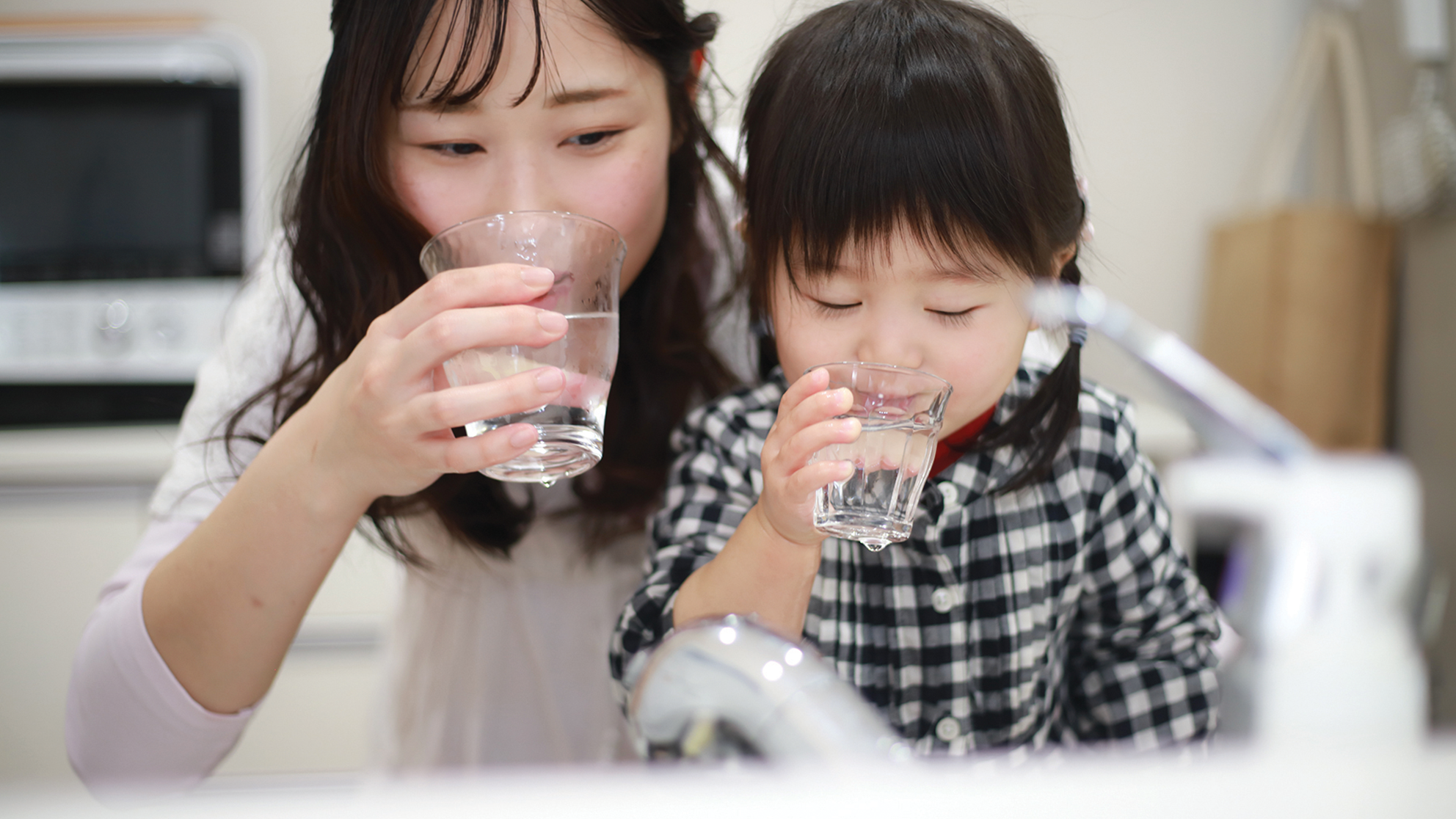
Water is hard or soft based on the presence or absence of minerals like calcium and magnesium. If your water has a high concentration of either, it’s considered hard. Water hardness is largely a personal preference, some people prefer harder or softer water or a little bit in between. A water softener system can help adapt your water to fit your personal taste.
A water softener is a filtration system that works to remove high concentrations of the calcium and magnesium that cause hard water. When water flows through the system, it filters out these minerals and the softened water then flows through your plumbing.
More soap suds: If you like your soap to suds up easily into a foamy lather, a water softener
would be a good choice for your home.
Reduce soap scum and film buildup: Use of a water softener will reduce soap scum and film buildup in sinks and tubs from minerals present in hard water.
Though a water softener system has a number of benefits, there are a few precautions worth
noting:
Hard water does not pose a health risk, and there is no health-based drinking water standard. In fact, hard water may help you meet daily requirements for calcium and magnesium in your diet.
Although hardness does not affect the safety of your water, it can cause other issues.
If your water comes from a public water supply, such as a city or a water company, your water is regularly tested for hardness and many other substances. Each year, retail water providers publish a water quality report to show consumers exactly what is in the water they provide.
If your water comes from a domestic well, you may be eligible for free basic water quality testing by Valley Water, including testing of water hardness. Contact the Valley Water Groundwater Hotline at (408) 630-2300 for more information.
If you want to test your water for hardness, Valley Water recommends that you use a state-certified lab.